What Happens If You Delay a Roof Replacement?
The Hidden Damage Most Homeowners Don’t See Until It Gets Expensive
Most homeowners don’t ignore roof problems because they’re careless.
Usually, they’re trying to buy time.
A small leak appears during heavy rain, but it stops once the storm passes. A few missing shingles show up in the yard after high winds, but nothing inside the house seems damaged yet. Maybe there’s a water stain on the ceiling that hasn’t changed in months, so it gets pushed into the “deal with later” category.
That’s how delayed roof replacement usually begins.
Not with a catastrophic emergency.
With a series of small problems that seem manageable at first.
And honestly, that makes sense. Nobody gets excited about replacing a roof. Most homeowners naturally hope repairs can stretch the remaining life of the roofing system a little longer. The challenge is that roofs rarely pause deterioration while homeowners decide what to do next.
Once moisture starts entering the roofing system, the damage often keeps spreading whether it’s visible yet or not.
That’s why delaying roof replacement can quietly become one of the most expensive decisions homeowners make.
The leak homeowners can see is often only a fraction of the actual damage developing underneath the surface.
Roof Damage Usually Gets Worse Quietly Before It Gets Obvious
One of the biggest misconceptions homeowners have is assuming major roof damage will immediately look dramatic.
Most of the time, it doesn’t.
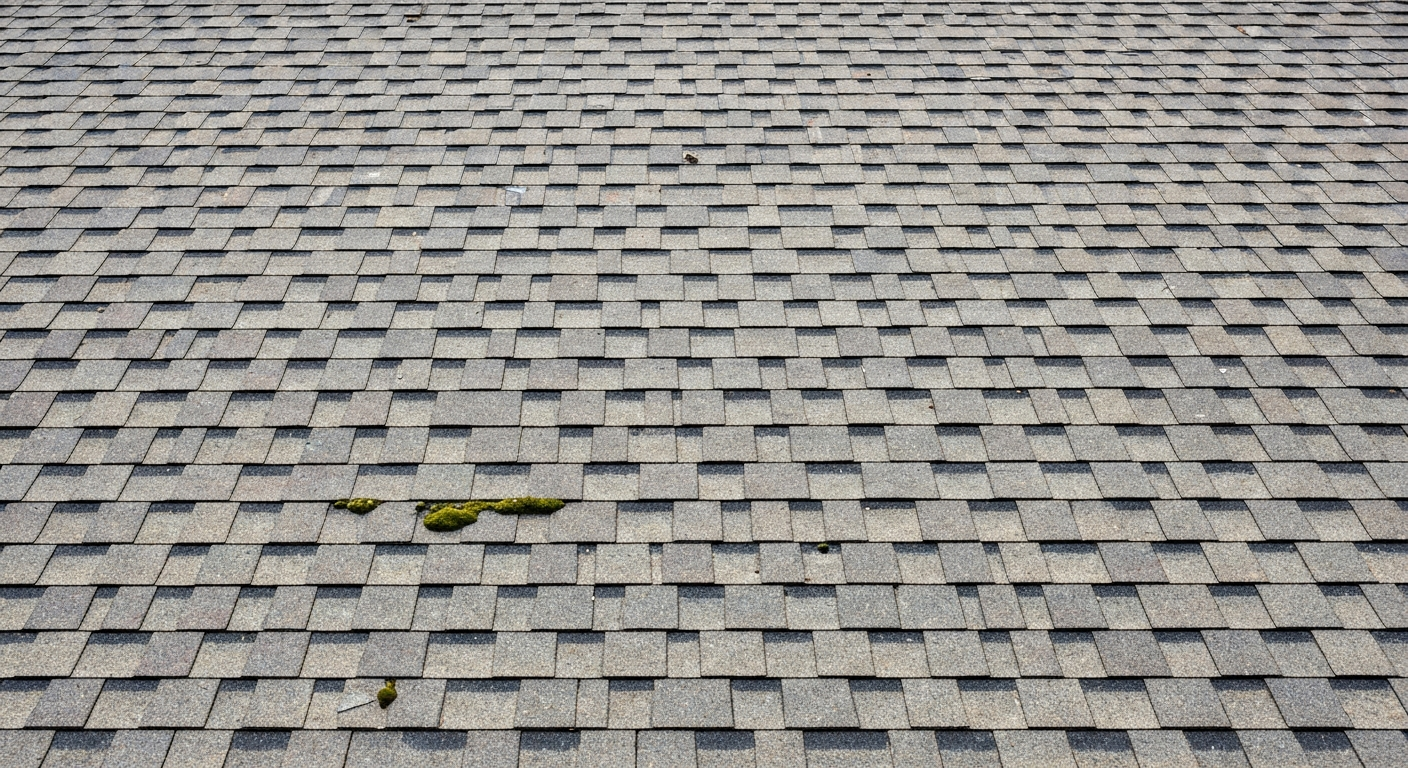
Roofing systems often deteriorate slowly while the visible warning signs remain relatively minor. Water intrusion can move underneath shingles, underlayment, and decking long before obvious leaks appear inside the home. By the time ceiling stains finally become visible, moisture may already be spreading through attic insulation, framing, or roof decking.
That’s what makes delayed roof replacement dangerous.
The damage homeowners see from inside the house is usually the final symptom—not the beginning of the problem.
A roof leak that appears “small” may have already been allowing moisture into the roofing system for months. A few cracked shingles after a storm may not seem serious until another round of severe weather exposes how much the surrounding materials have already weakened over time.
This is why recurring roof leaks tend to worry experienced roofing contractors more than homeowners.
Contractors know roofing systems rarely develop repeat leaks without a larger underlying issue somewhere in the structure.
Small Repairs Sometimes Hide Bigger Roofing Problems
A lot of homeowners fall into the same cycle.
A leak gets repaired. The roof seems fine for a while. Then another issue appears several months later in a different section of the roof. Then another storm rolls through and shingles loosen again. Then attic moisture starts showing up during humid weather.
Individually, each repair feels manageable.
Together, they often tell a completely different story.
At a certain point, homeowners are no longer fixing isolated roofing problems. They’re managing the gradual deterioration of an aging roofing system that continues developing new weak points over time.
That’s why the conversation eventually shifts from:
“Can this roof be repaired?”
to:
“How much reliable life does this roof realistically have left?”
And that’s an important distinction.
Because there’s a major difference between maintaining a healthy roofing system and repeatedly patching one that’s already approaching failure.
This is one reason so many homeowners begin researching the difference between roof repair vs roof replacement after dealing with recurring leaks or repeated storm damage repairs. At first, repairs usually feel financially smarter. Over time, however, many homeowners realize they’re spending thousands reacting to symptoms while the roofing system itself continues aging underneath.
Moisture Is What Makes Delayed Roof Replacement Expensive
Shingles are visible.
Moisture damage usually isn’t.
That’s what catches many homeowners off guard financially. Once water begins moving underneath roofing materials, the damage often spreads quietly into areas most people never see during normal daily life.
Moisture intrusion can eventually affect roof decking, attic insulation, framing, drywall, ceiling materials, and indoor air quality if mold begins developing over time. In many situations, homeowners don’t discover the true extent of roof water damage until roofing contractors begin removing old materials during replacement.
That’s why waiting too long often becomes much more expensive than homeowners originally expected.
The roofing problem itself may have started relatively small.
The hidden structural damage underneath is usually what turns the project into a much larger repair.
And unfortunately, moisture rarely stays confined to one section of the home forever.
Storm Damage Accelerates Roof Aging Faster Than Most People Realize
A roof that may have survived several more years under normal conditions can deteriorate much faster after repeated storm exposure.
This is especially true with older roofing systems already showing signs of aging.
Wind damaged shingles don’t always tear off immediately during storms. Sometimes high winds loosen shingles gradually, weaken seal strips, or create lifting that becomes worse over time. Hail damage can bruise shingles and damage protective surfaces without creating dramatic visible holes from the ground.
Then another storm arrives months later and suddenly the roof starts leaking.
That’s why many homeowners begin researching what storm damage actually looks like after severe weather moves through their area. Missing shingles, lifted flashing, granules in gutters, and water stains inside the home often seem minor at first until homeowners realize they may point to larger roofing problems developing underneath the surface.
And in many situations, homeowners don’t fully understand the seriousness of the damage until they review a professional roof inspection report and see how roofing contractors evaluate moisture intrusion, structural wear, flashing separation, and hidden storm-related deterioration.
Storm damage doesn’t always destroy roofs immediately.
Sometimes it simply shortens the remaining lifespan dramatically.
Older Roofs Become Much Riskier to Delay
Age changes the entire roof replacement conversation.
A newer roof with isolated damage may still have years of reliable life remaining. An aging roof with the exact same visible problem is a completely different situation because older roofing systems tend to develop multiple vulnerabilities at the same time.
That’s why recurring issues become much more common as roofs age.
A flashing issue develops near one section. Granule loss accelerates somewhere else. Moisture begins affecting attic spaces. Shingles lose flexibility and become more vulnerable to cracking or wind uplift during storms.
At first, these problems may seem unrelated.
But together, they usually signal a roofing system entering the later stages of its lifespan.
That’s why homeowners often begin questioning how long a roof actually lasts after dealing with repeated repairs over several years. The answer depends heavily on weather exposure, maintenance, ventilation, installation quality, and storm activity, but eventually every roof reaches the point where repairs become less predictable and less cost-effective long term.
Insurance Problems Sometimes Start Before Homeowners Expect
A lot of homeowners don’t realize delaying roof replacement can eventually create insurance complications too.
Insurance companies often evaluate roof condition, storm exposure, maintenance history, and visible deterioration during claims and policy reviews. Older roofs showing signs of recurring leaks, widespread shingle deterioration, or unresolved storm damage may create additional challenges depending on the policy and situation.
That’s one reason roof inspections matter so much after severe weather.
Many homeowners initially think they simply need a quick roof estimate after storms, only to realize a proper inspection reveals much larger roofing concerns underneath the surface. Understanding the difference between a roof estimate and a full roof inspection becomes especially important when homeowners are trying to determine whether the roof still has reliable life remaining or whether hidden storm damage has already accelerated the aging process significantly.
The longer roof problems continue unresolved, the more complicated insurance conversations sometimes become.
Most Homeowners Wait Until the Roof Forces the Decision
This happens constantly.
Homeowners keep repairing the roof because each repair feels smaller financially than replacement. Another leak gets patched. Another section of shingles gets replaced. Another storm repair happens during hurricane season.
Then eventually something changes.
The leaks become more frequent.
The ceiling stains spread.
The roof starts looking visibly older across larger sections.
The repairs stop feeling temporary and start feeling endless.
That’s usually when homeowners realize the roof replacement decision has already been delayed longer than it should have been.
And unfortunately, that’s often the point where hidden moisture damage, roof decking deterioration, attic problems, and structural repairs have already become much larger than they would have been earlier.
Final Thoughts
Most roofs don’t fail suddenly.
They usually warn homeowners first.
Recurring leaks, ceiling stains, deteriorating shingles, storm damage, granules in gutters, attic moisture, and repeated repairs are often signs that the roofing system is entering the later stages of its lifespan.
That doesn’t mean every aging roof needs immediate replacement.
But delaying roof replacement too long often allows hidden damage to keep spreading underneath the surface while repair costs continue increasing over time.
That’s why early inspections matter so much.
Because in many cases, the most expensive roof problems are the ones homeowners thought could wait a little longer.
Frequently Asked Questions
About Delaying Roof Replacement
Don't Wait Until It's Too Late
Get a comprehensive evaluation from local experts serving St. Augustine and Palm Coast. We'll give you an honest assessment of your roof's condition.