How to Read a Roof Inspection Report (And What Actually Matters)
A roof inspection report isn’t just a list of problems—it’s a snapshot of your roof’s current condition. Here is how to make sense of it.
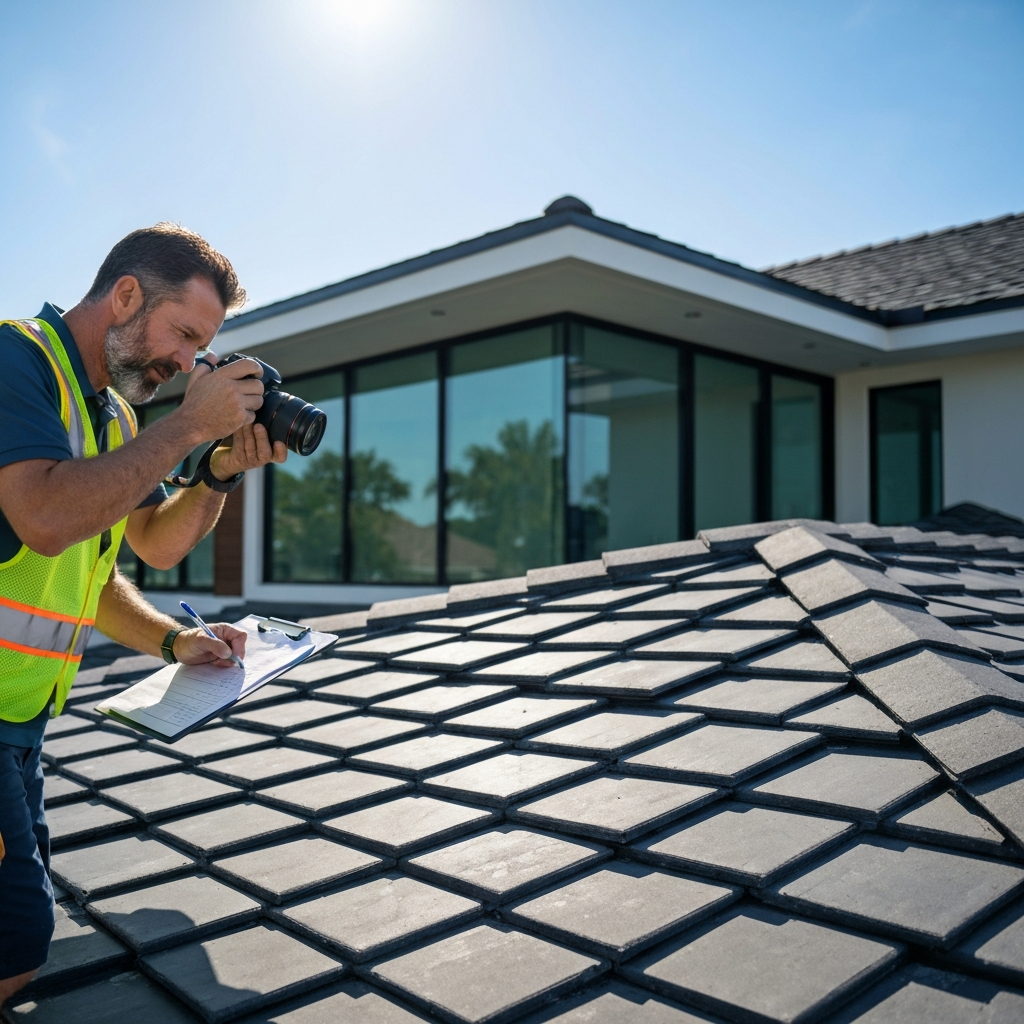
Getting a roof inspection is one thing. Understanding what you’re looking at afterward is something else entirely.
Most roofing inspection reports include photos, notes, and a breakdown of findings—but unless you know how to interpret them, it’s hard to tell what’s urgent, what’s minor, and what can wait. A good report should give you clarity. This guide helps you actually use it.
A professional roof inspection follows a structured process similar to what’s outlined in a full roof inspection checklist—covering everything from shingles and flashing to roof decking and ventilation. That level of detail is what helps uncover issues early, before they turn into costly roof leak repair or larger structural problems.
What a Roof Inspection Report Is Really Telling You
A roof inspection report isn’t just a list of problems—it’s a snapshot of your roof’s current condition. It reflects what a roofing contractor found after working through a full roofing inspection checklist, evaluating everything from materials and flashing to ventilation and structural components.
The goal isn’t to overwhelm you with details. It’s to answer three questions:
- What condition is the roof in right now?
- What needs attention?
- What happens if nothing is done?
If your report doesn’t help you answer those clearly, it’s not doing its job.
Section 1: Overall Condition Summary
Most reports start with a high-level summary. This is where the roofing contractor gives you a general assessment of the roof—typically described as:
- Good condition
- Fair condition
- Poor condition
This section matters because it sets the context for everything else. A roof in “fair condition” doesn’t necessarily mean immediate roof replacement—it usually means the roof is aging and may require maintenance or targeted roof repair. A roof in “poor condition” often points toward widespread issues, especially if multiple areas of the roofing system are failing at the same time.
Section 2: Identified Problem Areas
This is where the report gets specific. Instead of reading it as a list, break it into categories. Most findings fall into a few core areas:
Surface-Level Issues
These include:
- damaged or missing shingles
- granule loss
- visible wear from age or weather
These are often tied to routine roof repair or ongoing roof maintenance.
Water Entry Points
This is where things get more serious. Look for mentions of:
- flashing issues
- compromised sealants
- roof penetrations (vents, chimneys, skylights)
These are the most common sources of roof leak repair issues—and they’re often not visible from the ground.
Structural Concerns
This includes:
- soft decking
- sagging areas
- long-term moisture damage
These findings are critical because they affect the integrity of the entire roofing system—not just the surface materials.
Interior Indicators
If the inspection included attic access, the report may note:
- moisture buildup
- insulation issues
- mold or staining
These are often early signs of ventilation problems or hidden leaks tied to storm damage or long-term wear.
These are the exact types of issues that show up repeatedly in a detailed roof inspection checklist—and the ones most likely to turn into expensive roof leak repair situations if they’re missed early.
Section 3: Photo Documentation
Photos are one of the most important parts of a roofing inspection report. They show you:
- exactly where issues are located
- what the damage looks like
- how severe the problem is
Don’t just glance at them—compare them to the written notes. If something is mentioned but not shown, ask about it. If something looks worse in the photo than described, ask for clarification. A strong roofing contractor uses photos to support their findings—not replace them.
Section 4: Recommended Next Steps
This is where the report transitions from information to action. This is also where understanding what you get with a free roofing inspection becomes critical—because the quality of the inspection directly impacts the accuracy of everything that comes next, including whether you’re dealing with simple roof maintenance or something that leads into a full roof replacement.
Recommendations usually fall into one of three categories:
1. Maintenance
Minor issues that should be addressed to extend roof life.
Example: sealing, minor fixes, preventative work
2. Roof Repair
Targeted work to fix specific problems.
Example: replacing damaged shingles, repairing flashing, addressing leaks
3. Roof Replacement or Restoration
When damage is widespread or materials are near end of life.
This is where context matters. A recommendation for roof replacement doesn’t always mean “do it immediately.” It often means: start planning, especially if multiple issues are present.
Section 5: Urgency vs Priority
One of the biggest mistakes people make is treating every issue in the report the same. Not everything is urgent. A good roofing inspection report helps you distinguish between:
- Immediate risks (active leaks, structural damage)
- Short-term concerns (failing materials, storm damage)
- Long-term planning (aging roof approaching replacement)
If that distinction isn’t clear, ask. Understanding priority is what allows you to make smart decisions—not rushed ones.
How This Ties Back to Your Next Step
This is where everything connects. Your roof inspection report is what determines:
- whether you need roof repair
- whether maintenance is enough
- whether it’s time to consider roof replacement or restoration
Only after that should you be looking at a roof estimate. An estimate without this context is just a number. An estimate based on a full inspection is a plan.
Buying or Selling? Read This Carefully
If you’re buying or selling a home, your inspection report becomes leverage. A general home inspection may note roofing issues—but it doesn’t go deep. A professional roofing inspection does.
For buyers:
- it tells you what you’re actually taking on
- it gives you negotiation power
For sellers:
- it helps you address issues before they become deal breakers
- it prevents surprises during closing
This is especially important in areas prone to storm damage, where small issues can escalate quickly.
What to Do If Something Doesn’t Make Sense
If your report feels confusing, vague, or incomplete—don’t ignore that. Ask:
- What does this issue mean long-term?
- What happens if it’s not addressed?
- Is this repair, maintenance, or replacement?
A reliable roofing contractor should be able to walk you through every finding clearly.
Schedule Your Free Roofing Inspection Today
If you don’t have a clear, detailed report—or you’re not confident in what you’ve been told—the smartest next step is to schedule a free roofing inspection.
A qualified roofing contractor will walk through a complete roof inspection checklist, document real findings, and help you understand whether you’re dealing with routine roof maintenance, active roof leak repair, storm damage, or something that may require roof replacement or roof restoration.
It costs nothing—but it gives you clarity, leverage, and a real plan.