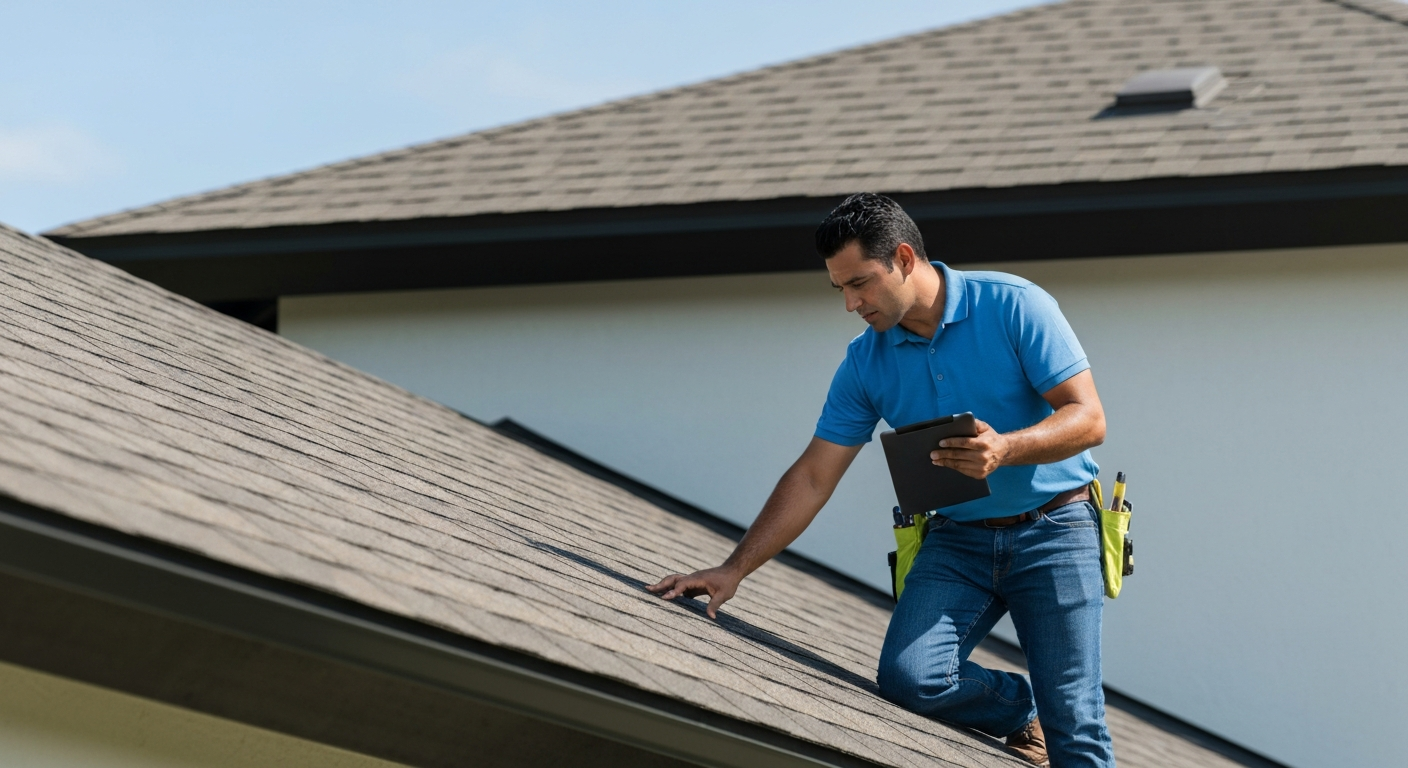
A roof inspection is one of the simplest ways to understand the true condition of your roof—without guessing, and without committing to any work.
During a professional visit, a licensed roofing contractor isn't just looking for obvious damage. They're working through a detailed inspection checklist designed to evaluate your entire roofing system—from surface materials to structural components to attic conditions.
Most homeowners never see that checklist. They get the summary—but not the process behind it.
Understanding what you actually get with a roofing inspection gives you an advantage. It helps you make better decisions about roof repair, roof maintenance, and roof replacement—and it ensures you're working with a roofing contractor who's thorough, not rushed.
Here are the 21 things professional roofing services look for during a complete inspection, broken down and explained clearly.
Exterior — Roof Surface
- 1. Shingle Condition: Cracked, curling, buckling, or missing shingles are one of the clearest signs your roof is aging. On asphalt shingle roofing, curling edges typically mean the material is drying out and losing flexibility—often leading to roof leak repair if not addressed early.
- 2. Granule Loss: Shingles are coated with granules that protect against UV damage. When those granules start collecting in gutters, it means the shingles underneath are exposed and deteriorating faster.
- 3. Roof Age and Remaining Lifespan: A professional roofing contractor evaluates how old your roof is and how much life it likely has left. This helps determine whether roof repair is still effective—or if it's time to start planning for roof replacement.
- 4. Blistering or Bubbling: Blisters form when moisture or air gets trapped beneath shingles. While they may seem minor, they weaken the material and accelerate breakdown over time.
- 5. Algae, Moss, and Mold Growth: Dark streaks or green buildup indicate moisture retention. Left untreated, this can lead to structural deterioration and the need for roof mold removal.
- 6. Storm and Hail Damage: Wind and hail damage are often subtle. Lifted shingles, bruising, or compromised seals may not be visible from the ground but can lead to major issues later—including roof insurance claims.
Exterior — Structural Components
- 7. Roof Plane and Ridge Line: A straight, even roofline typically indicates structural stability. Sagging or uneven areas suggest underlying issues such as decking damage or long-term moisture intrusion.
- 8. Roof Decking Condition: The decking is the foundation beneath your roofing materials. Soft spots or movement underfoot indicate rot or water damage—something that must be addressed before any new roof installation.
- 9. Soffit and Fascia: These components protect the roof's edge and support ventilation. Damage here often points to moisture issues or drainage problems that affect the entire roofing system.
- 10. Drip Edge Installation: The drip edge directs water into your gutters. Missing or improperly installed drip edge allows water to seep behind the fascia—leading to hidden damage over time.
Flashing and Penetrations
- 11. Chimney Flashing: This is one of the most common leak points. If flashing is cracked, rusted, or improperly installed, water will find its way inside.
- 12. Vent and Pipe Flashing: Every penetration—vents, pipes, HVAC units—is a potential weak point. Sealants degrade, and boots crack over time, leading to slow leaks.
- 13. Valley Flashing: Roof valleys handle heavy water flow. If flashing here is damaged or installed incorrectly, water intrusion can happen quickly.
- 14. Skylights and Dormers: These transitions between surfaces require precise flashing. Leaks here are often difficult to trace and can travel before becoming visible inside.
Gutters and Drainage
- 15. Gutter Condition and Attachment: Sagging or damaged gutters prevent proper drainage. This can lead to water backing up onto the roof or behind the fascia.
- 16. Granules in Gutters: Heavy granule buildup is a clear signal that shingles are nearing the end of their lifespan—even if the roof still looks fine from below.
- 17. Downspout Drainage: Water should be directed away from the home's foundation. Poor drainage here can cause long-term structural issues beyond just roofing.
Interior — Attic and Ceiling
- 18. Attic Ventilation: Ventilation controls heat and moisture. Poor airflow can shorten roof lifespan, increase energy costs, and create conditions for mold growth.
- 19. Insulation Condition: Wet or compressed insulation often indicates hidden leaks. It also reduces energy efficiency—sometimes showing up as higher utility bills.
- 20. Moisture, Mold, and Water Staining: Stains on rafters, attic surfaces, or ceilings signal active or past leaks. These are critical indicators that require immediate attention.
- 21. Previous Repair Quality: A licensed roofing contractor evaluates past repairs to ensure they were done correctly. Poor workmanship often hides deeper issues that resurface later.
Buying or Selling? This Is Where Most People Get Burned
If you're buying or selling a home, this checklist isn't just helpful—it's leverage.
Don't rely on a general home inspector to catch roofing issues. They're generalists. They'll note surface-level concerns, but they're not trained to evaluate roofing systems in depth.
A licensed roofing contractor works through every item on this checklist during a free roofing inspection and sees things a general inspection misses every time—especially early-stage failures that haven't shown up inside yet.
If you're buying, that matters.
If you're selling, it matters even more.
Schedule a free roof inspection:
- Before you list
- Before you close
- Before the next storm season
It costs nothing—and it gives you answers you can actually use.
Why This Checklist Matters More Than You Think
Each of these 21 items represents a real failure point—something that, left unidentified, eventually turns into:
- A roof leak repair
- Emergency roof repair
- A full roof replacement
- Or a roof insurance claim filed under pressure
For buyers, this checklist is negotiation power. If a professional roofing inspection uncovers failing flashing, damaged decking, or end-of-life shingles, you now have documented evidence to push for repairs or a price reduction before closing.
For sellers, it's risk control. Getting ahead of these issues prevents last-minute surprises that delay or derail deals.
For homeowners not buying or selling, this becomes your roof maintenance roadmap. Run through this checklist annually with a qualified roofing contractor, and you drastically reduce the chances of ever dealing with an emergency.
Frequently Asked Questions
About Roof Inspection Checklists
Schedule Your Free Roofing Inspection Today
A certified roofing contractor can work through all 21 of these inspection points in a single visit—at no cost to you.
Whether you're preparing to buy, preparing to sell, recovering from storm damage, or simply want to understand the true condition of your roof, a free roofing inspection gives you clarity most homeowners never have.
No guessing. No surprises. No pressure.