Identifying and Addressing Roof Storm Damage
Florida weather is notoriously unpredictable. Learn how severe storms impact your roof and what steps to take immediately after extreme weather.
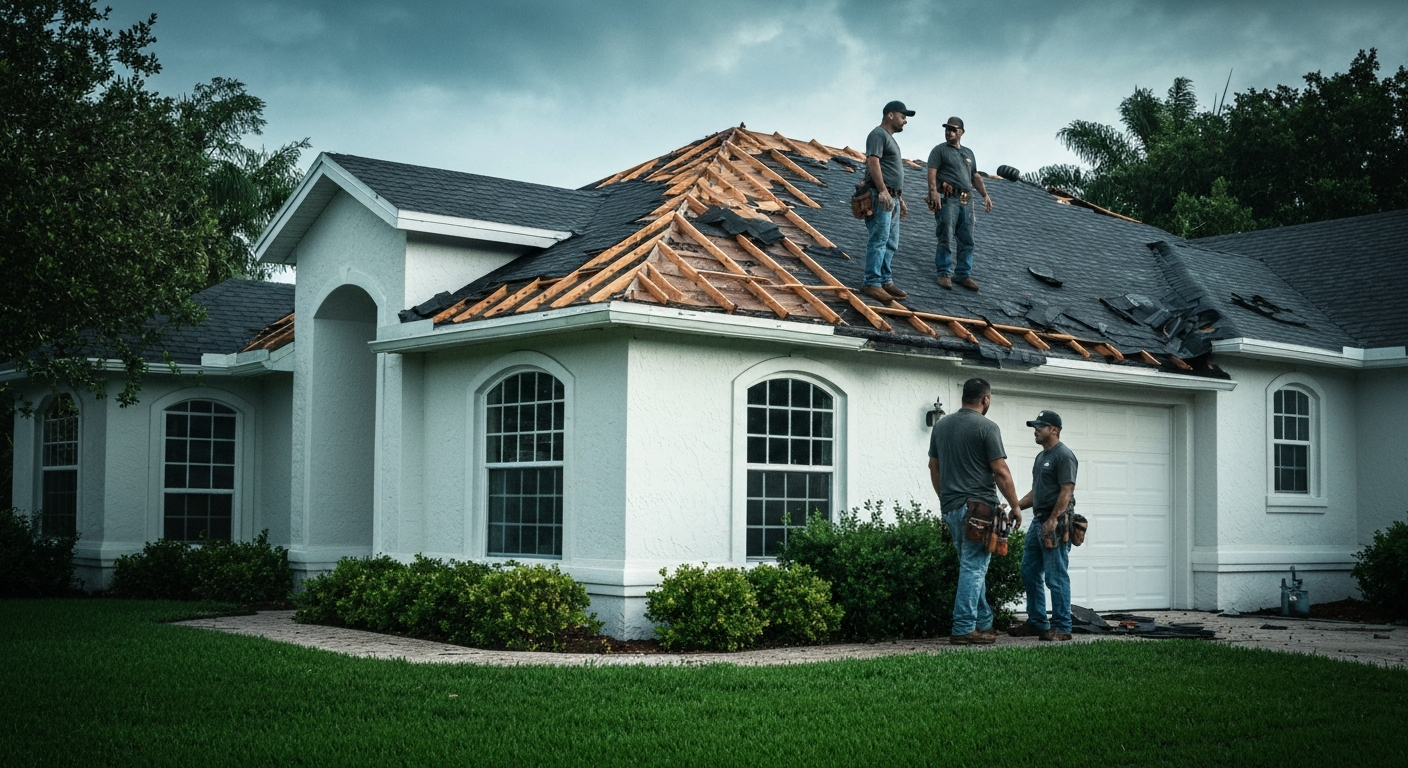
Living in Florida, particularly in coastal areas like St. Augustine and Palm Coast, means accepting the reality of severe weather. From intense summer thunderstorms and hail to the devastating impact of hurricanes, your roof is constantly on the front lines, defending your home. But what exactly constitutes "storm damage," and how can you tell if your roof has been compromised after a major weather event?
Types of Storm Damage in Florida
Storm damage is a broad term that encompasses various types of structural and material degradation caused by extreme weather. The three primary culprits in Florida are wind, hail, and heavy rainfall.
Wind Damage
Hurricane-force winds and severe gusts can literally tear roofing materials off your home. Even if shingles aren't completely removed, strong winds can lift them, breaking the vital sealant bond. Once this bond is broken, the roof is vulnerable to water infiltration during the next rainstorm.
Hail Damage
Hailstones act like hammers striking your roof. They can bruise or crack shingles and dislodge the protective mineral granules. Over time, these exposed "bruises" degrade under the Florida sun, leading to premature roof failure and leaks.
Debris Impact
High winds often turn tree branches and unsecured outdoor items into projectiles. Falling branches can puncture the roof decking, destroy flashing, and cause immediate, severe water intrusion.
How to Spot Storm Damage
After a severe storm has safely passed, it is crucial to inspect your property. However, never climb onto your roof yourself. Leave the climbing to professionals. You can look for these warning signs from the ground:
- Visible Missing Shingles: Look for bare patches or shingles lying in your yard.
- Granule Accumulation: Check your downspouts and gutters for an excessive buildup of shingle granules.
- Dented Metal: Inspect metal roof vents, gutters, and flashing for dents caused by hail.
- Interior Leaks: Check your ceilings and attic for fresh water stains or active dripping.
- Fallen Debris: If large branches have fallen on your roof, assume there is structural damage until a professional confirms otherwise.
The Hidden Dangers of Delaying Repairs
The most dangerous aspect of storm damage is that it is often invisible from the ground. A lifted shingle or a small hail bruise might not leak immediately. However, over weeks or months, moisture will seep into the roof decking, causing wood rot, mold growth in the attic, and eventual ceiling collapse. Addressing storm damage immediately minimizes repair costs and prevents catastrophic interior damage.
Navigating the Insurance Process
If your roof has suffered storm damage, your homeowner's insurance policy likely covers the repairs or replacement. However, navigating the claims process can be incredibly stressful. At Ross Roofing & Restoration, we specialize in storm damage recovery. We provide comprehensive inspections, meticulously document the damage with photographs, and work directly with your insurance adjuster to ensure you receive the coverage you are entitled to.